The Slow Fade
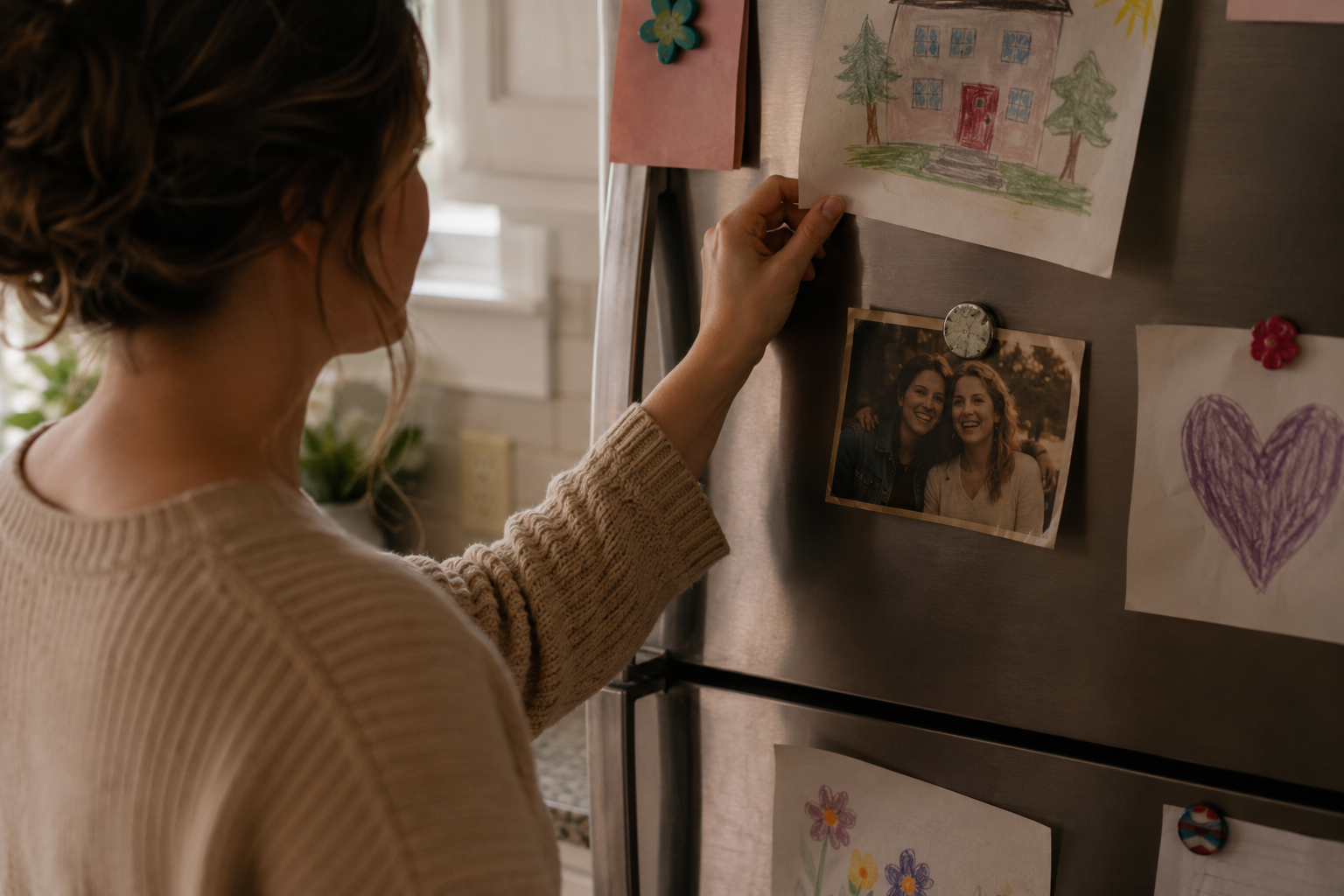
If you live long enough, you’ll experience it — the gut punch that comes from losing a close friendship. Not a casual friend, not someone who drifted in and out of your life, but the one you once called your ride-or-die. The person you never imagined doing life without. You feel the disconnect long before you're willing to admit it. And then one day, almost without warning, they feel like someone you used to know.
The connection doesn’t just snap all at once. It loosens. It fades. You feel it slipping through your fingers even as you try to hold on. It’s like an invisible rope between the two of you — one you both used to grip tightly. But somewhere along the way, only one of you is still holding on to what you thought would last forever.
And eventually, with a trembling kind of acceptance, you let go, hoping you weren’t the only one still holding on.
But soon you realize you were. And when you finally release your grip, you understand it’s over — too heavy to carry alone.
Quietly, without resistance, the friendship you never thought would end succumbs to the slow fade.
Here’s the part nobody talks about: Some friendships don’t end with a fight. They end with silence.
And as painful as it is, the slow fade happens more than any of us wants to admit.
If we’re honest, we’ve all fallen victim to the slow fade at one point or another. People we’d once be willing to drive across the country for, now we won’t even drive across town to see. What changed? How did these once valuable people in our lives become insignificant or not worth the effort?
I get it — some friendships are seasonal, and when the season is over, so is the friendship. Do lifetime friendships really exist, or are they like that pot of gold at the end of the rainbow — something we spend our whole lives searching for but never find? T.D. Jakes says that if you have at least three of them in your lifetime, you're lucky. Those kinds of friendships are rare. They take effort. Those kinds of friendships are a gift from God.
Sure, we all have friendships where we can pick up the phone once a year without missing a beat. Those friendships are great, but let me ask you — are those the friends you call when you need advice, when a parent dies, when you get the promotion? Maybe at one time they were. Now they’re just the friend you talk to once a year on birthdays and, if you’re feeling extra generous, on holidays. And that’s okay. Not all friendships are meant to last a lifetime. No one has the capacity to stay connected with everyone they meet.
I absolutely love those friendships where we can reconnect after a year like no time was lost. I have several of them, and they all hold a special place in my heart. But the difference between those friendships and my lifelong ones is this: while those friends will get an invitation to my daughter’s future wedding, the lifelong ones will be the ones helping me pick out her dress.
So how do best friends who were once like family become strangers? It doesn’t happen overnight. It’s gradual. It sneaks up on you. The daily calls become weekly, then weekly becomes monthly, and before you know it, a year has passed, and you still haven’t spoken. It’s a slow fade.
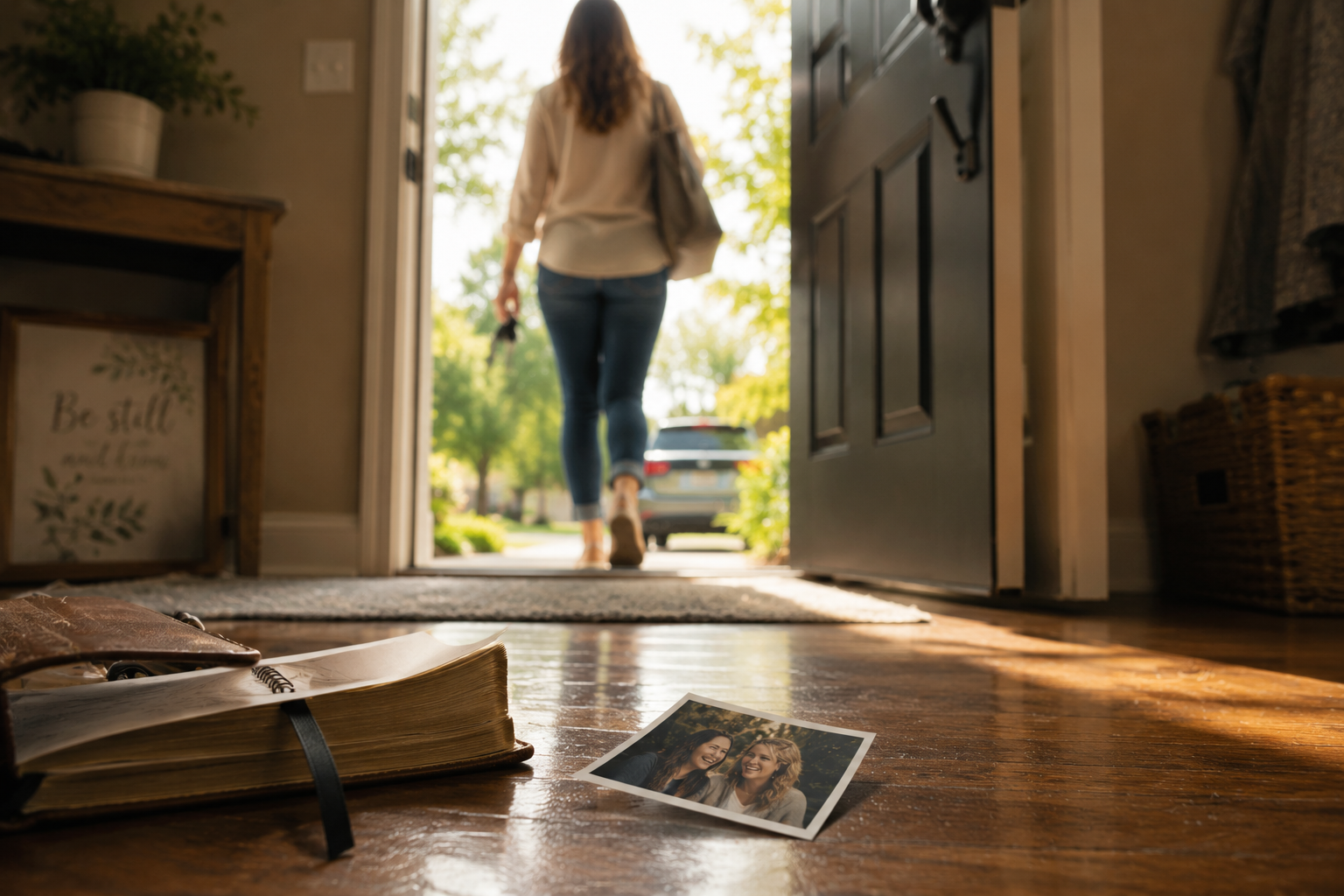
And here’s the truth: The less time we see someone, the easier it is not to see them.
Life gets busy, and work and family take precedence. It’s in these busy seasons that even the best of friends can become strangers.
This article isn’t about seasonal friendships. This is about those lifelong friendships. How do we keep those? We have to be intentional. We have to make space for each other. What used to work in one season may not work in this season. What used to look like lunch out may now look like peanut butter and jelly on the couch while the two of you fold laundry together. Sometimes it looks like doing life together in the mundane.
Other times, it looks like giving each other space to grow separately, and praying that one day God will put it back together in His timing. It’s about grieving what was and adjusting to what is. It’s about accepting the heartache and loving your bestie from afar. This is the hard part. This is the season nobody wants to walk through.
A good friend once told me: Just because the water looks stagnant doesn’t mean nothing is happening beneath the surface. Sometimes you just have to trust the shift and surrender to the redirection. You have to believe God is working even when you can’t see it.
In those seasons where the rhythm of the friendship changes, press into the Father.
He is the one who will never leave you nor forsake you. He’s the friend who sticks closer than a brother.
Friendship isn’t easy. No relationship worth having ever is. But your lifers — they’re worth fighting for — and sometimes the best way to fight is on your knees.
The best thing you can do when you feel the slow fade is bring it to God and ask Him what the next step is. He’ll tell you when to hold on and when to let go. Trust His heart toward you and your friend.
Here’s the thing about that invisible friendship rope: it takes a delicate balance to hold on to it for years. You can’t grip it too tightly, or you’ll wear yourself out, and you can’t hold it too loosely, or you’ll drop it. One thing to remember is this — even when you’ve both dropped the rope, there’s a third man in the fire. He’ll pick it up if it’s meant.
And here’s the truth you have to cling to in the season where all you feel is the grief of loss: If it’s meant, nothing — not time, not distance, not silence — can stop God from weaving it back together.
One Last Thing
It’s okay to not be okay. It’s okay to grieve. Grief isn’t just reserved for death — it shows up anytime something precious shifts or slips away. Even if you haven’t completely lost the friendship, the rhythm has changed, and that’s a loss in its own right. So give yourself grace. Give yourself time. And remember that the Lord is close to the brokenhearted.
Psalm 34:18 (NLT)
“The Lord is close to the brokenhearted; He rescues those whose spirits are crushed.”